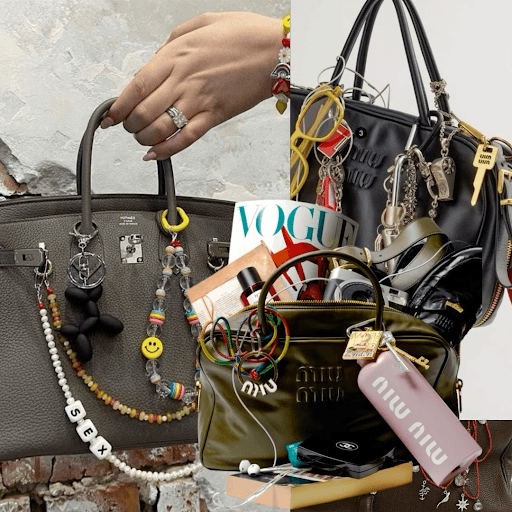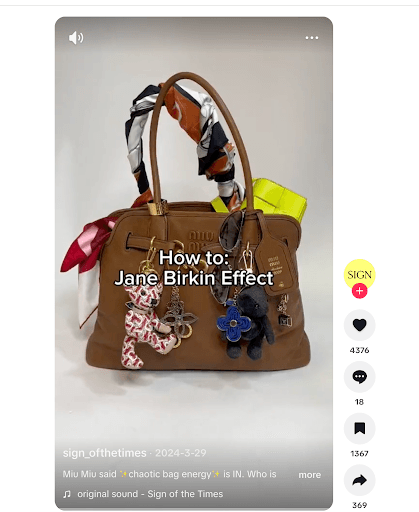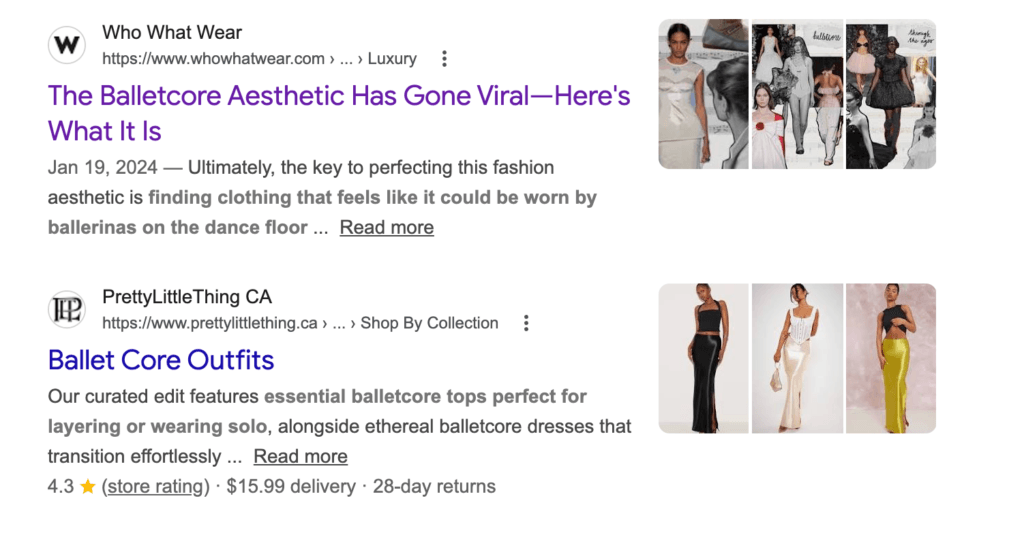
Over the past year, fashion and beauty trends have noticeably shifted away from the era of the “clean girl”, minimalism, and capsule wardrobes toward looks that feel louder, more playful, and deeply personal. What once prized restraint and uniformity now embraces charm, excess, and intentional eclecticism. This evolution didn’t happen overnight; it arrived gradually, first through Jane Birkinifying bags, through bag charms and trinkets, then through monogrammed accessories, niche micro-trends, and hyper-specific aesthetics that thrive online; be it from ballerina-core to office siren. These visual cues signal a broader cultural desire to reclaim personality, to dress and present oneself in a way that feels distinctive rather than distilled.
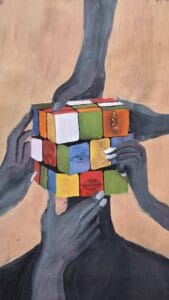
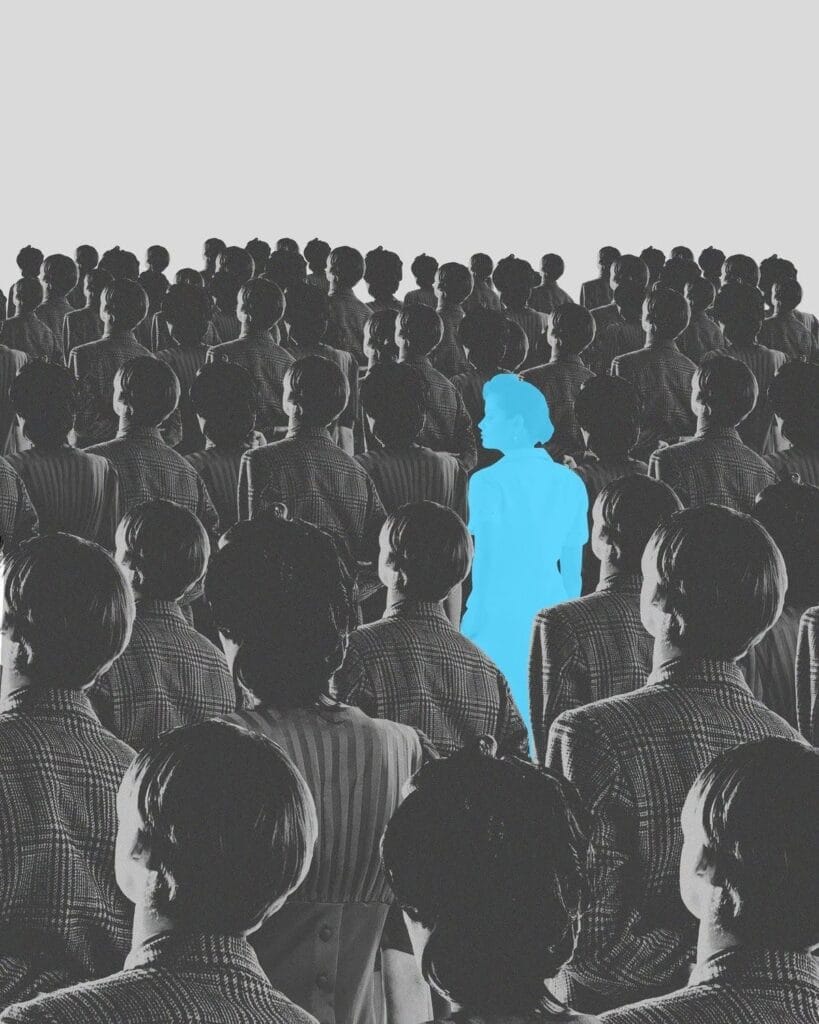
Yet as individualism takes center stage, it raises an uncomfortable question: can uniqueness be turned into a product? When inspiration is increasingly filtered through the same algorithms, trend forecasts, and digital platforms, the pursuit of being “different” starts to feel strangely uniform. Everyone is encouraged to be unique, but often within the same narrow parameters, buy this charm, adopt the aesthetic, align with this identity-coded look. In this environment, individuality risks becoming less about genuine self-expression and more about participation in a shared performance of difference.
When the market begins to define our sense of uniqueness, the concept itself loses its weight. True individuality cannot be replicated or mass-produced; it develops slowly, shaped by lived experience rather than trend cycles. It’s influenced by the culture we consume, the art that challenges us, the music we listen to, the clothes we reach for instinctively, the places we travel, and the communities we move through. These layers of influence are personal, inconsistent, and often unpolished, and that’s precisely what makes them real. When self-expression is reduced to something transactional, it becomes hollow. Real individuality isn’t about standing out within an algorithm, it’s about cultivating a sense of self that exists independently of it.