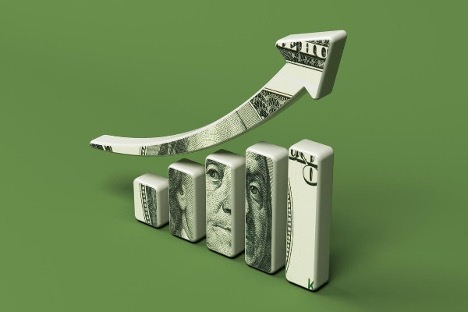
1. Stocks (aka Equities)
What they are
A stock is a small piece of ownership in a company.
When the company does well, you benefit through:
- Price growth
- Sometimes dividends (cash payouts)
Buy Apple? You own a tiny fraction of Apple.
Stock goes up 20%? Your investment goes up ~20%.
Simple idea. Very volatile.
Risk level
- High short-term risk (prices swing a lot)
- Highest long-term return potential of all asset classes
Why people buy them
Because over decades, stocks beat almost everything:
- Bonds
- GICs
- Cash
They’re the growth engine of your portfolio.
Where they fit best
- TFSA: Perfect — tax-free growth and withdrawals
- RRSP: Excellent — tax-deferred growth
- FHSA: Strong if buying in 5–10 years
(Avoid if your timeline is under 5 years) - Taxable account: Fine, but dividends and gains are taxed
Short version
Stocks = long-term wealth builders.
Don’t buy them if you’ll panic-sell when the market drops.
2. ETFs (Exchange -Traded Funds)
What they are
An ETF is a basket of investments (usually stocks, bonds, or both) that you buy all at once.
Examples:
- XEQT: Thousands of global stocks
- VGRO: Mix of stocks + bonds for balance
They trade like stocks, cost very little to own, and automatically diversify your money.
Risk level
- Moderate to high, depending on what’s inside
- All-stock ETFs → more volatile, higher growth
- Balanced ETFs → smoother ride, slightly lower growth
Why people buy them
Because they’re the lazy investor’s cheat code.
- No picking individual stocks
- No timing the market
- The ETF does the work for you
Where they fit best
- TFSA: Perfect for tax-free long-term growth
- RRSP: Great for retirement investing
- FHSA: Ideal if your home-buying timeline is 5+ years
Short version
If you don’t want to obsess over stocks, buy ETFs (which is most people).
They give you diversification, simplicity, and strong returns with minimal effort.
This article was reviewed by a certified professional accountant(CPA)