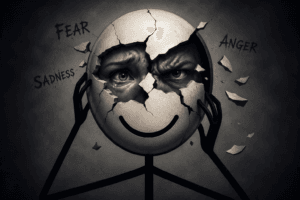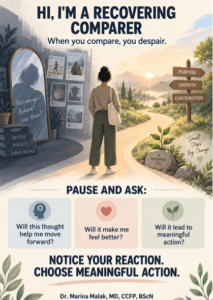

You went to bed at a reasonable time. You had your morning coffee. Maybe you even got a full eight hours. So why are you still exhausted?
Feeling tired occasionally is normal, especially after a stressful week, poor sleep, or a busy schedule. But if fatigue becomes your default, it may be worth looking a little deeper.
The first question is simple:
Are you actually getting enough quality sleep?
Most adults need at least seven hours of sleep per night, but duration is only part of the picture [1]. Poor sleep quality can leave you tired even after spending enough time in bed.
For a young healthy population, lifestyle factors and poor sleep hygiene are the most likely culprits. Stress, irregular sleep schedules, excessive alcohol use, inadequate nutrition, and physical inactivity can all contribute to fatigue.
So, before assuming something is medically wrong, try getting the basics of sleep hygiene right:
- Maintain roughly the same bedtime and wake-up time each day (even on weekends!)
- Avoid caffeine about 6-8 hours before bed [2].
- Avoid screens before bed, especially if you tend to be a “night owl” [3]
- Keep your room cool, dark, and quiet.
- Exercise regularly, which has been shown to improve energy during the day and enhance sleep quality [4].
What about stress?
Stress does not just exist “in your head.” It produces a real physiological response.
When you are stressed, your body activates the hypothalamic-pituitary-adrenal (HPA) axis, which leads to increased production of the stress hormone cortisol. At the same time, there is increased activation of the sympathetic nervous system (your “fight or flight response”) which releases hormones such as adrenaline and noradrenaline. These systems are to keep you alert in the face of a possible threat. This is useful in the short term, but less helpful when you are trying to fall asleep.
With chronic stress, these systems can become dysregulated. Normally, cortisol feeds back to the brain to help switch off the stress response. However, prolonged stress can alter the sensitivity of glucocorticoid receptors which detect cortisol, making this negative-feedback system less effective. This can contribute to a state of persistent physiological arousal and interfere with normal sleep and recovery.
Okay I fixed my sleep hygiene, what else could it be?
Iron-deficiency anaemia (IDA) can reduce the amount of oxygen carried in your blood, leading to tiredness, dizziness, shortness of breath, and reduced tolerance to exercise. A very common causes of IDA is blood loss, which is often seen in women with heavy menstrual bleeding. It can also be caused by deficiency of iron in the diet, most notably in those who eat very little meat. Less commonly, it can be due to blood loss in other areas of your body, such as intestinal bleeding. Some common signs of IDA are: extreme fatigue and energy loss, paleness in the lower inner eyelid or the skin, cold hands or feet, and something called pica (which is a craving to eat non-food items like ice) [5]. A doctor can quickly check your iron levels with a blood test and prescribe you iron tablets or recommend lifestyle changes
An underactive thyroid gland (known as hypothyroidism) may also cause fatigue. This often occurs alongside symptoms such as feeling unusually cold, constipation, dry skin, or unexplained weight gain. This is less likely than the culprits mentioned above.
Other possibilities include vitamin deficiencies, infections, medication side effects, and sleep disorders.
Mental health disorders, namely major depressive disorder (MDD), should be considered with chronic fatigue. The diagnostic symptoms of MDD are:
Low mood and/or loss of interest in activities you previously found interesting (anhedonia) + at least 4 of the below for ≥ 2 weeks:
- Sleep changes (insomnia or excessive sleeping)
- Feelings of guilt or worthlessness
- Low energy
- Difficulty concentrating
- Appetite or weight changes
- Restlessness or slowing of movement or thought
- Suicidal ideation or thoughts of death [6].
Conclusion
Feeling tired does not automatically mean something is wrong. Fatigue is extremely common and has many possible causes. A good starting point is to look honestly at your sleep, stress, diet, activity levels, and caffeine use. This is the most likely culprit and most immediate fix.
If your fatigue persists for several weeks, is getting worse, or is interfering with school, work, exercise, or everyday life, please consider speaking with a healthcare professional.
Sometimes being tired simply means you need better recovery. But if your body is consistently telling you something is off, it is worth listening.
References
- Watson NF, et al. Recommended Amount of Sleep for a Healthy Adult: A Joint Consensus Statement of the American Academy of Sleep Medicine and Sleep Research Society. Sleep. 2015. DOI: 10.5665/sleep.4716
- Drake C, Roehrs T, Shambroom J, Roth T. Caffeine Effects on Sleep Taken 0, 3, or 6 Hours before Going to Bed. Journal of Clinical Sleep Medicine. 2013. PMID: 24235903
- Zhong C, Masters M, Donzella SM, Diver WE, & Patel AV. Electronic Screen Use and Sleep Duration and Timing in Adults. JAMA Network Open. 2025. DOI: 10.1001/jamanetworkopen.2025.2493
- Wender CL, Manninen M, & O’Connor PJ. The Effect of Chronic Exercise on Energy and Fatigue States: A Systematic Review and Meta-Analysis of Randomized Trials. Frontiers in Psychology. 2022. DOI: 10.3389/fpsyg.2022.907637
- National Heart, Lung, and Blood Institute. Iron-Deficiency Anemia. 2022. Retrieved from: https://www.nhlbi.nih.gov/health/anemia/iron-deficiency-anemia
- Substance Abuse and Mental Health Services Administration. DSM-5 Changes: Implications for Child Serious Emotional Disturbance. 2016. Retrieved from: https://www.ncbi.nlm.nih.gov/books/NBK519712/table/ch3.t5/
Written by:
Youssef Garras
Final-Year Medical Student
MD Candidate, Hons. BMSc