
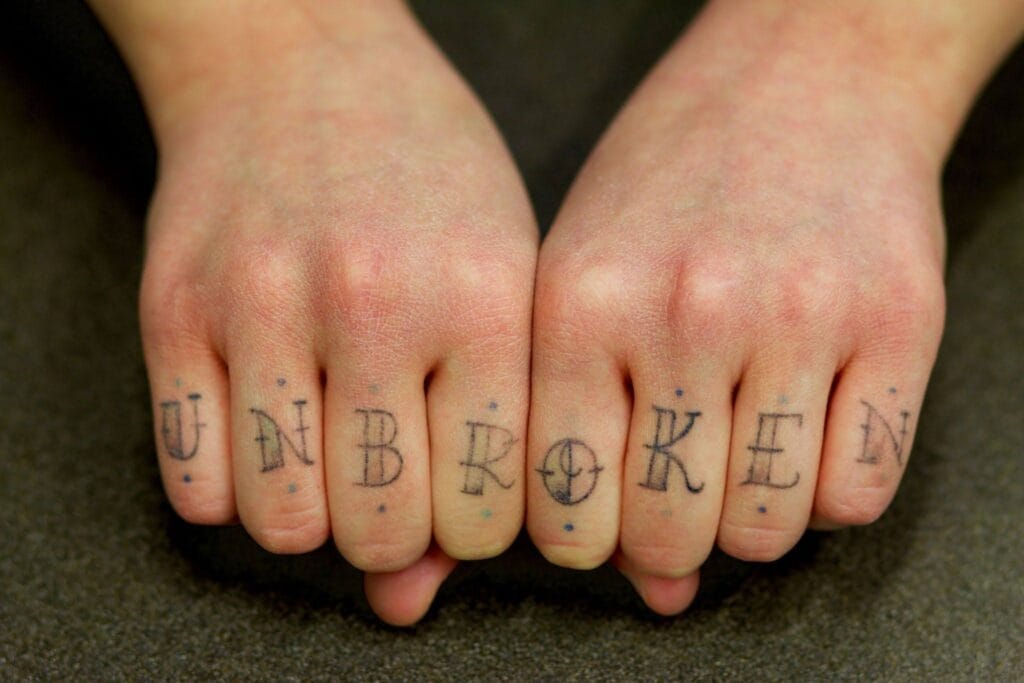
Tattoos are often described as a modern form of self-expression, closely associated with contemporary youth culture. Yet archaeological and historical evidence suggests that tattooing is one of the oldest artistic practices in human history. What may appear to be a recent trend among students and young adults is, in fact, a revival of something ancient.
The oldest physical evidence of tattooing comes from Ötzi the Iceman, a naturally mummified man who lived around 3300 BCE and was discovered in the Alps in 1991. His body bears more than sixty tattoos consisting of simple lines and crosses. Researchers believe these markings were likely connected to therapeutic or symbolic practices. This discovery confirms that tattooing existed over five thousand years ago.
Ancient Egypt also provides compelling evidence. Several female mummies dating to the Middle Kingdom period display tattoo patterns, including geometric designs and symbolic motifs. Some scholars suggest that these tattoos were connected to fertility, protection, or religious devotion. Tattooing was not merely decorative; it carried meaning within a spiritual and communal framework.
Across the Pacific, Polynesian cultures developed highly sophisticated tattoo traditions. In Samoa and other islands, tattooing was and remains a rite of passage that communicates identity, status, and belonging. The very English word “tattoo” is derived from the Polynesian word “tatau.” These designs were not chosen casually. They reflected lineage, responsibility, and participation in community life.
Similarly, in parts of ancient Nubia and among certain early Christian communities in Egypt and the Holy Land, tattooing served as a visible sign of faith. Historical records indicate that some Christians marked their wrists with crosses as testimony to their devotion. In certain communities, small cross tattoos have continued as a tradition passed down through generations, symbolizing identity and faith rather than fashion.
What connects these cultures is that tattoos were rarely just about appearance. They carried stories. They represented identity, memories, beliefs, experiences, and belonging. A mark on the body could communicate something about the person without them having to say a word.
In many ways, that same idea continues today.
We live in a generation that encourages us to express ourselves through our appearance, our style, our bodies, our opinions, and our platforms. We want the things we choose to represent something about who we are. Sometimes it is our heritage. Sometimes it is a person we love, something we have experienced, something we believe, or simply a moment in our lives that we never want to forget.
There is something deeply human about wanting to leave a mark.
But perhaps that idea goes beyond what we choose to put on our skin.
A tattoo can tell people something about your story, but the way you live can tell people who you have become. A tattoo can preserve a memory, but the way you treat someone can become a memory that they carry with them. A tattoo can represent what matters to you, but your choices, your relationships, and the way you treat others can reveal what truly matters.
In that sense, we are all leaving marks, whether we realize it or not.
Every interaction leaves something behind. A conversation can change someone’s day. An act of kindness can stay with someone for years. The way we encourage someone, forgive someone, listen to someone, or simply make someone feel seen can become part of their story.
Those marks may not be visible, but they can be just as permanent.
Maybe the question is not only what we want our tattoos to say about us, but what our lives are saying without them.
Because the most meaningful marks may not always be the ones we choose to put on ourselves. Sometimes, they are the ones we leave behind in the people we meet.