Anxiety and depression are among the most common mental health concerns experienced by youth today. Approximately 1 in 5 Canadian youth aged 25 and under experience mental health challenges, making mental health challenges one of the most pressing health concerns for young people today (Canadian Mental Health Association [CMHA]). Adolescence and young adulthood can be complex and confusing stages of life, as many young people navigate identity formation, evolving relationships, academic or career pressures, and major life decisions. During this time, individuals are often trying to understand who they are while managing expectations from themselves and others. These stressors can place strain on emotional well-being and begin to shape how young people view themselves, their abilities, and their sense of self-worth
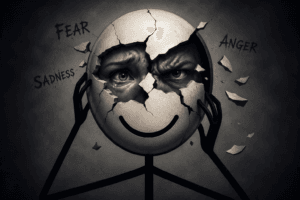
Despite mental health challenges being at an all-time high, many people still carry deep shame around speaking openly about their struggles, making vulnerability feel difficult or unsafe. We may tell ourselves that our struggles are insignificant or that we are weak if we cannot handle everything on our own. These feelings of shame, along with the fear of being judged, often keep people isolated and can further reinforce experiences of anxiety and depression. Opening up about mental health can be an important step toward healing and self-understanding. Sharing our experiences can help reduce feelings of isolation, strengthen connection with others, and allow us to receive the support we need. Although vulnerability can feel uncomfortable, it is not a sign of weakness. Rather, it reflects courage and a willingness to care for our well-being.
Recognizing the signs of anxiety and depression is an important first step in learning how to support our mental health:
- Persistent worry or racing thoughts
- Low mood or loss of motivation and interest in things you once enjoyed
- Difficulty sleeping or concentrating
- Feeling overwhelmed or emotionally drained
While anxiety and depression can feel overwhelming, there are a variety of strategies that can help individuals better manage their mental health and support their overall well-being. Small, intentional practices can make a meaningful difference in how we cope with stress, regulate emotions, and care for ourselves.
Tools that may help support mental health:
- Mindfulness and grounding techniques to help calm the nervous system and bring attention back to the present moment during periods of anxiety
- Journaling or reflective writing to process emotions and better understand patterns in thoughts and feelings
- Behavioural activation, which involves intentionally engaging in meaningful or enjoyable activities to help improve mood and reduce feelings of withdrawal or low motivation
- Regular physical activity to support mood regulation and reduce stress
- Maintaining supportive relationships and speaking with trusted friends or family members
- Prioritizing rest and self-care to allow the mind and body time to recover from ongoing stress
- Therapy or professional support to explore experiences in a safe space and develop coping strategies tailored to individual needs
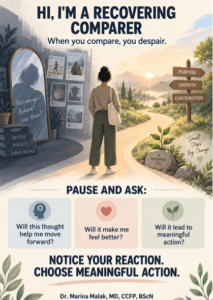
Taking care of your mental health isn’t about having everything perfectly figured out. It’s about learning to pause, listen to what your mind and body are trying to tell you, and taking small steps toward feeling a little more supported each day.
Proverbs 12:25 “Anxiety in the heart of man causes depression, But a good word makes it glad.” OR
Matthew 6:34 Therefore do not worry about tomorrow, for tomorrow will worry about its own things. Sufficient for the day is its own trouble
Carol Mansour – Registered Psychotherapist (Qualifying)
References:
Canadian Mental Health Association. (n.d.). Fast facts about mental illness. https://cmha.ca/find-info/mental-health/general-info/fast-facts/
Cuijpers, P., Karyotaki, E., Harrer, M., & Stikkelbroek, Y. (2023). Individual behavioral activation in the treatment of depression: A meta analysis. Psychotherapy Research, 33(7), 886–897. https://doi.org/10.1080/10503307.2023.2197630
Hofmann, S. G., & Gómez, A. F. (2017). Mindfulness-Based Interventions for Anxiety and Depression. Psychiatric Clinics of North America, 40(4), 739–749. https://doi.org/10.1016/j.psc.2017.08.008
Kalin, N. H. (2020). The Critical Relationship Between Anxiety and Depression. American Journal of Psychiatry, 177(5), 365–367. https://doi.org/10.1176/appi.ajp.2020.20030305
Mahindru, A., Patil, P., & Agrawal, V. (2023). Role of Physical Activity on Mental Health and Well-Being: A Review. Cureus, 15(1), e33475. https://doi.org/10.7759/cureus.33475
Wolitzky-Taylor, K., Wen, A., Freimer, N. et al. Anxiety and depression in emerging adults: The STAND program as a model of scalable screening and intervention. Neuropsychopharmacol. 51, 244–258 (2026). https://doi.org/10.1038/s41386-025-02174-4