
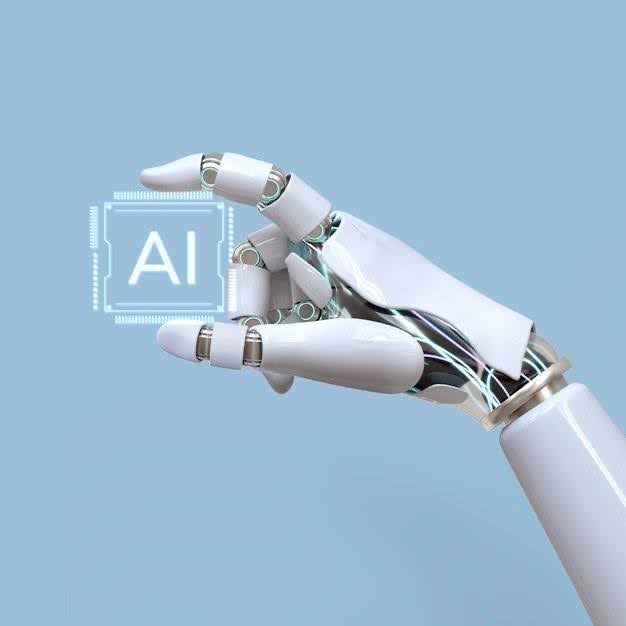
Artificial intelligence is everywhere.
It can answer questions, write essays, generate images, summarize books, and even hold conversations that feel surprisingly human. What once seemed like science fiction has quickly become part of everyday life, and many experts believe AI will continue to impact the way we work, learn, and communicate.
With so much excitement surrounding the technology, it is easy to focus only on what AI can do. But on May 25th, 2026, Pope Leo XIV gave a speech about artificial intelligence, and encouraged people to ask a different question: How should we use it?
While acknowledging the incredible potential of AI, he also warned about the risks that come with such a powerful tool. One of his strongest statements being “we cannot be careless with our most powerful technical instrument.”
His concern is not that technology itself is bad. Throughout history, innovations have improved human life in countless ways. Rather, he believes that powerful technologies require wisdom, responsibility, and ethical boundaries. As AI becomes more integrated into society, the decisions surrounding its development and use will affect millions of people.
One concern is the growing influence that AI could have over information, education, employment, and public opinion. The more powerful these systems become, the more important it is to ensure they are used transparently and responsibly.
Pope Leo also emphasized that AI is not truly neutral. Every system is designed by people, trained on human-created data, and shaped by human decisions. Because of this, technology should never replace human judgment when it comes to questions involving dignity, morality, and the value of human life.
Another concern is the impact on younger generations. AI can be an incredible learning tool, but it should not replace curiosity, critical thinking, or the personal effort required for growth. Information has become easier to access than ever before, but wisdom still requires reflection, experience, and discernment.
At the heart of his message is a belief about what makes human beings unique. He stated that “every person is unique and irreplaceable, a free and intelligent subject with a conscience capable of seeking God, serving one another, and caring for our common home.” Because of this, AI should not be trusted to make important decisions about human lives without oversight and accountability.
In a world increasingly shaped by algorithms and automation, that reminder feels especially important. AI may be able to process information at extraordinary speeds, but it cannot replace human relationships, moral responsibility, compassion, creativity, or the search for meaning.
Technology will continue to advance, and AI will likely become even more powerful in the years ahead. The challenge, as Pope Leo sees it, is not simply building smarter machines. It is ensuring that these tools serve people rather than diminish them. Whether the issue is misinformation, job displacement, autonomous weapons, or unhealthy dependence on technology, the goal should be ensuring that human beings remain at the center of every decision.
As we embrace new technologies, his message is a simple one: use them wisely, remember the value of every person, and never lose sight of what makes us human.
Video: Pope Leo XIV Vatican Speech